Flowers by colour
Colourful & bicoloured flowers
Some blooms simply cannot settle on one colour — and that is exactly what makes them special. Here you will find every bicoloured, patterned and colourful flower from our encyclopedia — fresh from the Veiling Rhein-Maas, tied in Düsseldorf.
Bicoloured varieties are among the most exciting flowers on the market: roses with a picotee edge like ‘Sweetness’, where a creamy white petal is finely rimmed in pink, flamed tulips like ‘Rem’s Favourite’ or the red-and-white parrot tulip ‘Estella Rijnveld’, lisianthus with edges that look hand-painted — and alstroemeria, whose speckled throats look as if someone had drawn strokes with a fine pen.
There is history and biology behind the patterns. The flamed tulips that cost fortunes during the Dutch tulip mania owed their stripes to a virus — today the Rembrandt markings are bred in and stable. Speckles and dashes, as on alstroemeria or foxglove, are nectar guides: landing strips that show insects the way. Variegated, by the way, is what we call patterned foliage — it sets accents in a bouquet too.
And then there is the mixed bouquet itself: the colourful summer bouquet is the classic of classics — dahlias, cosmos, snapdragons and alstroemeria, loosely tied, as if straight from the field. Hardly any bouquet sparks joy as reliably, because it has nothing to prove: it is simply cheerful.
To keep colourful from turning chaotic, we tie around one lead colour that repeats two or three times, with plenty of greenery as a buffer between strong tones. Bicoloured blooms are worth gold here: a speckled alstroemeria picks up its neighbours’ colours and ties them together. We buy the ingredients fresh at the Veiling every day — whatever summer offers ends up in the bouquet.
Flowers in this colour
36 entries in our encyclopedia
Dahlias
Dahlia
Read more →
Lisianthus
Eustoma grandiflorum
Read more →
Roses
Rosa
Read more →
Tulips
Tulipa
Read more →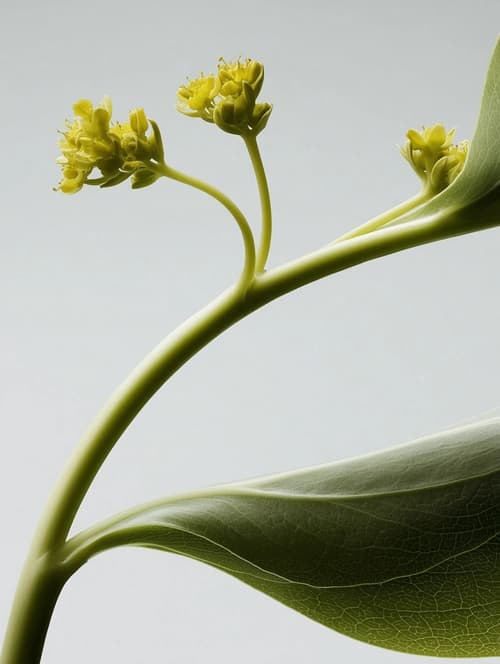
Columbine
Aquilegia vulgaris
Read more →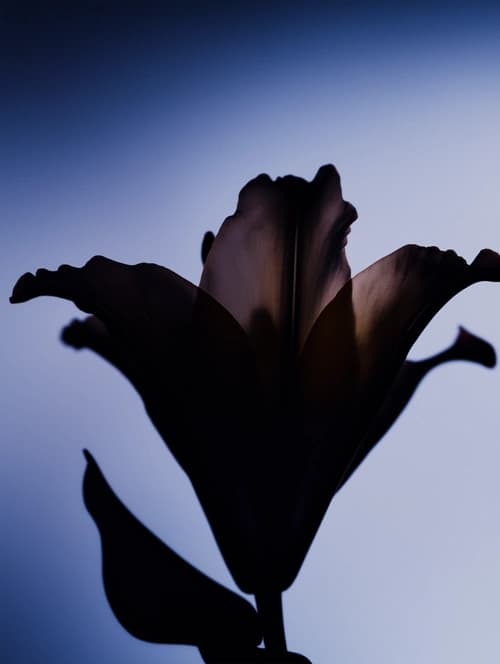
Amaryllis
Hippeastrum
Read more →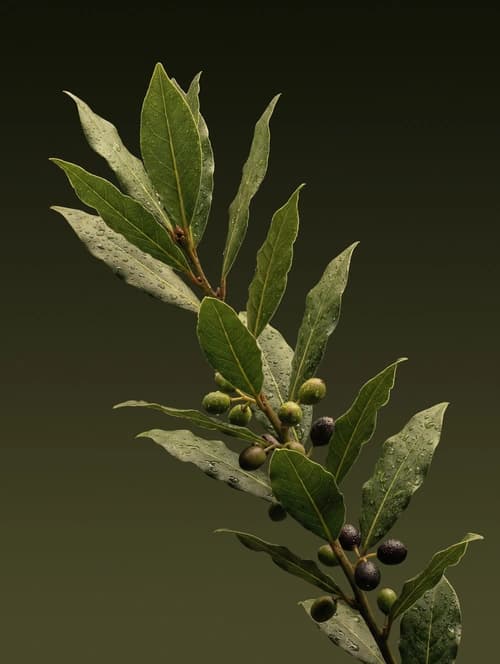
Anthuriums
Anthurium
Read more →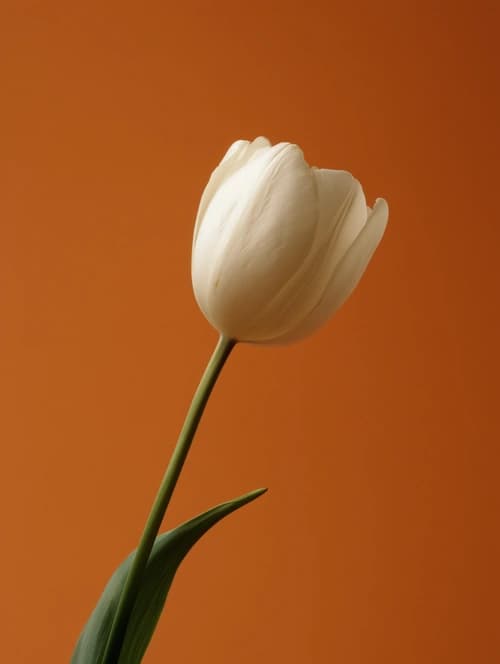
Aspidistra (Cast-Iron Plant)
Aspidistra elatior
Read more →
Sweet William
Dianthus barbatus
Read more →
Bouvardia
Bouvardia
Read more →Canna Lily
Canna indica
Read more →
Cattleya Orchid
Cattleya
Read more →
Chrysanthemums
Chrysanthemum
Read more →
Cosmos
Cosmos bipinnatus
Read more →Ivy
Hedera helix
Read more →
Freesia
Freesia
Read more →
Gerberas
Gerbera jamesonii
Read more →
Gladiolus
Gladiolus
Read more →Godetia (Satin Flower)
Clarkia amoena (syn. Godetia)
Read more →
Sneezeweed
Helenium autumnale
Read more →Peruvian Lily
Alstroemeria
Read more →
Iris
Iris
Read more →
Kangaroo Paw
Anigozanthos
Read more →Cape Cowslip
Lachenalia
Read more →Frequently asked
- What does picotee mean in flowers?
- Picotee describes a fine rim in a contrasting colour along the petal edge — as if drawn with a brush. Classic examples are roses like ‘Sweetness’, lisianthus with violet edges and ranunculus with pink-rimmed petals. In a bouquet, picotee varieties act like a built-in colour gradient.
- Where do the stripes in striped tulips come from?
- Historically from a virus: the tulip breaking virus created the famous flamed varieties of the 17th century that became priceless during tulip mania. Today’s Rembrandt tulips like ‘Rem’s Favourite’ are healthy — their flames are bred in, stable and do not fade.
- How do I combine a colourful bouquet without it looking busy?
- Pick one lead colour and repeat it in two or three places — the eye then finds an anchor. Plenty of greenery in between acts as a buffer, and bicoloured blooms like alstroemeria bridge the tones. Odd numbers of each variety calm the picture further.
- Which cut flowers are naturally multicoloured?
- Front runners: alstroemeria with their speckled throats, the red-and-yellow gloriosa, blanket flowers with bicoloured ray petals and many gerbera and carnation varieties in bicolour. Foxglove wears dotted tubes too — nature patterns more generously than you would think.