Flowers by colour
Blue flowers
Blue is the rarest of all petal colours — and that is exactly what makes it the most special. Here you will find every blue flower from our encyclopedia, from deep-blue delphinium to cornflower, fresh from the Veiling Rhein-Maas, tied in Düsseldorf.
Blue is a botanical marvel: fewer than one in ten flowering plants produces true blue, because there is no pure blue pigment — plants have to mix it laboriously from anthocyanins and just the right cell chemistry. Precisely this rarity makes blue flowers so coveted. In the language of flowers, blue stands for loyalty, constancy and longing — the “blue flower” was the Romantics' symbol of the unattainable.
The most honest blues come from delphinium with its tall, deep-blue flower spires, the cornflower in its unmistakable cornflower blue and the delicate forget-me-not. Then there are hydrangeas, the only ones that owe their colour to the soil: they only bloom truly blue on acidic ground containing aluminium. Grape hyacinths, iris and globe thistle extend the palette from spring into late summer.
Because blue visually recedes, it needs clever partners in a bouquet: with white and plenty of greenery you get a fresh, almost maritime look, with pink and lavender a soft pastel picture. Most exciting is the complementary contrast with orange and apricot — just a few orange ranunculus make deep-blue delphinium positively glow. A purely blue bouquet, by contrast, feels calm, cool and very refined.
A practical note from the workbench: blue blooms are often more delicate than they look. Delphinium is a heavy drinker and wants fresh water every two days, while hydrangeas also absorb water through their petals — if they flag, a short overnight bath upside down works wonders. And because true blue sells out fast at the Veiling, we buy it early in the morning as soon as the season is on.
Flowers in this colour
31 entries in our encyclopedia

Anemones
Anemone coronaria
Read more →
Hydrangeas
Hydrangea
Read more →
Columbine
Aquilegia vulgaris
Read more →
Allium (Ornamental Onion)
Allium
Read more →
Bluebeard
Caryopteris × clandonensis
Read more →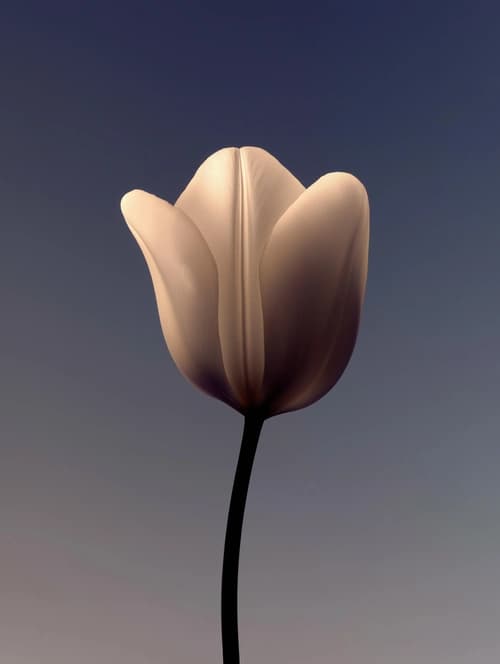
Fleabane
Erigeron
Read more →
Blue Lace Flower
Trachymene
Read more →
Swan River Daisy
Brachyscome
Read more →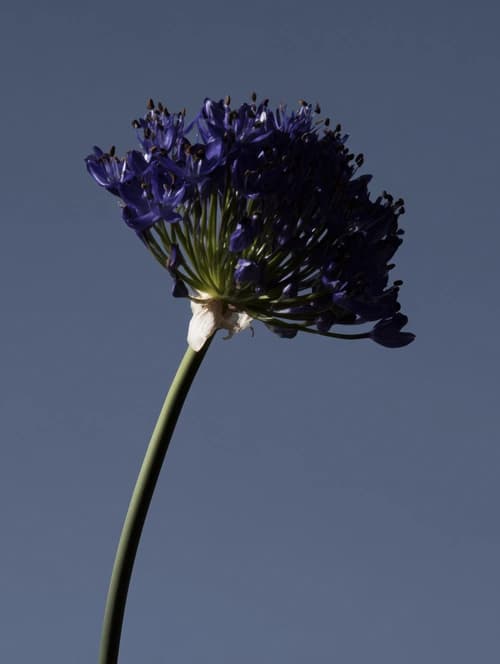
Cluster Lily
Brodiaea
Read more →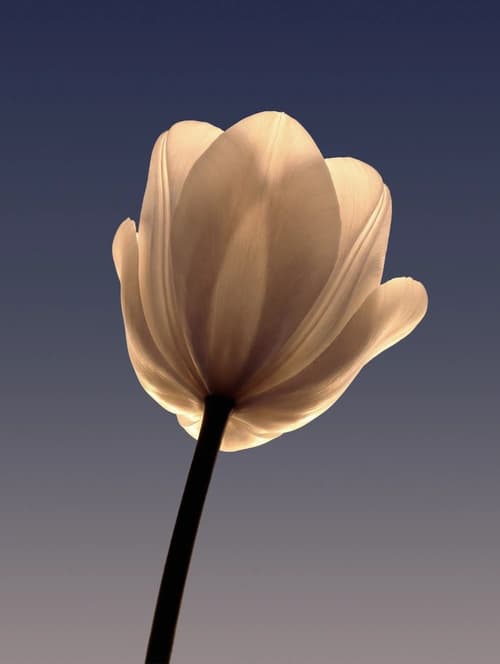
Clematis
Clematis
Read more →
Sea Holly
Eryngium planum
Read more →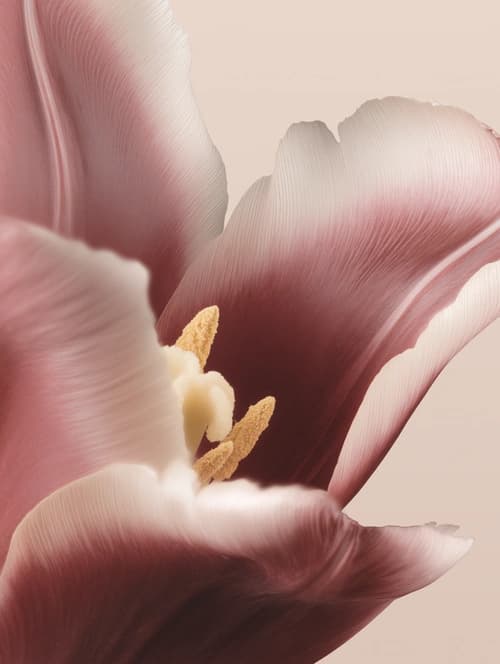
Eucalyptus
Eucalyptus
Read more →Bellflowers
Campanula
Read more →Bluebell
Hyacinthoides
Read more →Hyacinths
Hyacinthus orientalis
Read more →
Iris
Iris
Read more →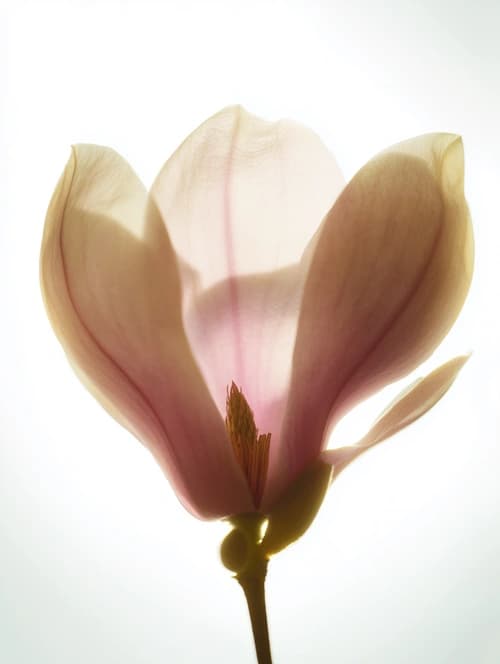
Cape Cowslip
Lachenalia
Read more →Cornflowers
Centaurea cyanus
Read more →
Globe Thistle
Echinops ritro
Read more →
Lupins
Lupinus
Read more →Love-in-a-mist
Nigella damascena
Read more →Camassia
Camassia
Read more →Cupids Dart
Catananche
Read more →Delphinium
Delphinium
Read more →Frequently asked
- Why are blue flowers so rare?
- No pure blue petal pigment exists in nature. Plants create blue indirectly via anthocyanins, whose hue depends on the pH value and metal ions inside the cell — an elaborate trick only a few species have mastered. That is why many “blue” varieties actually lean towards violet.
- Which cut flowers are truly blue?
- You will find true blues in cornflower, delphinium, forget-me-not, grape hyacinth and globe thistle. Hydrangeas bloom blue when grown on acidic soil with aluminium. Much else — “blue” roses or carnations, for instance — is dyed or in truth violet.
- Do real blue roses exist?
- No — roses lack the gene for blue pigments, and every breeding attempt has failed at that hurdle so far. What is sold as a blue rose is either dyed or a violet variety with an optimistic name. If you want real blue, delphinium or cornflowers are the better choice.
- How do blue flowers last longest in the vase?
- Recut the stems, clean the vase thoroughly and change the water every two days — delphinium drinks enormously. Hydrangeas benefit from a deep water level and may be bathed upside down if they flag. Kept cool and out of direct sun, the blue stays rich the longest.