Flowers by colour
Purple flowers
Purple is the colour with the widest span: from the most delicate lavender tone to deep, almost regal purple. Here you will find every purple and violet flower from our encyclopedia — fresh from the Veiling Rhein-Maas, tied in Düsseldorf.

Hardly any colour has as glamorous a history as purple: for centuries the dye was so precious that it was reserved for kings and emperors. Some of that still resonates today — in the language of flowers, purple stands for dignity, appreciation and individuality, while the lighter lavender tones speak of calm and grace. A purple bouquet is never arbitrary: it shows you have given it real thought.
The palette of purple cut flowers is wonderfully diverse: fragrant lilac in spring, elegant lisianthus with its rose-like blooms almost all year round, the architectural spheres of allium in early summer and lavender, which brings scent and a feeling of Provence to any bouquet. Add clematis, anemones and asters, extending the palette from the delicate to the dramatic.
When combining, purple is surprisingly flexible: tone-on-tone with pink and white creates a soft, romantic look, while blue and plenty of greenery make it cool and modern. If you are feeling bold, set violet against its complementary yellow — just a few yellow craspedia or sunflowers make a purple bunch positively glow. Deep purple tones lend autumn bouquets with bordeaux and grasses real elegance.
A practical note from the workbench: lilac is a woody shrub — cut the stem at a steep angle, generously, and remove almost all the foliage, otherwise the bloom transpires faster than it can drink. Lavender, on the other hand, is the most rewarding candidate for drying: hung upside down it keeps its colour and scent for months. We buy both fresh at the Veiling in season.
Flowers in this colour
77 entries in our encyclopedia

Anemones
Anemone coronaria
Read more →
Calla Lilies
Zantedeschia
Read more →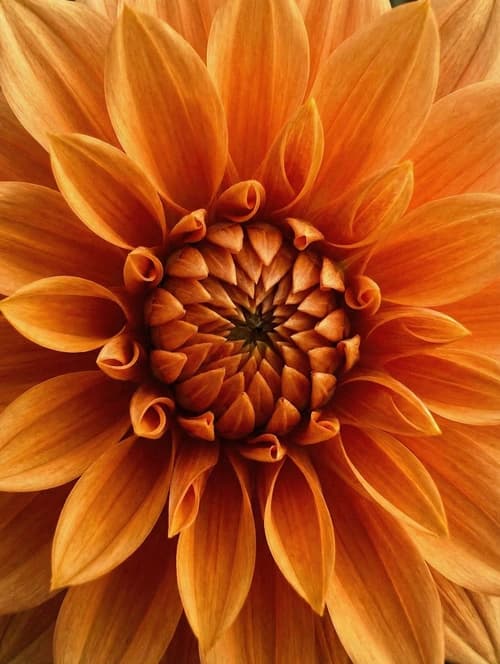
Dahlias
Dahlia
Read more →
Lisianthus
Eustoma grandiflorum
Read more →
Ranunculus
Ranunculus asiaticus
Read more →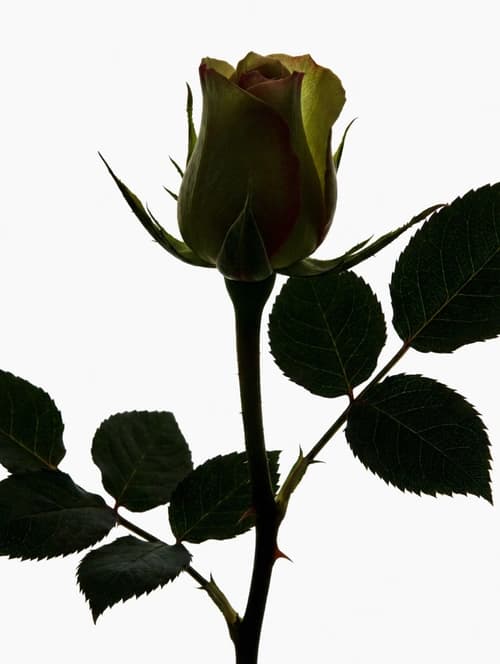
Roses
Rosa
Read more →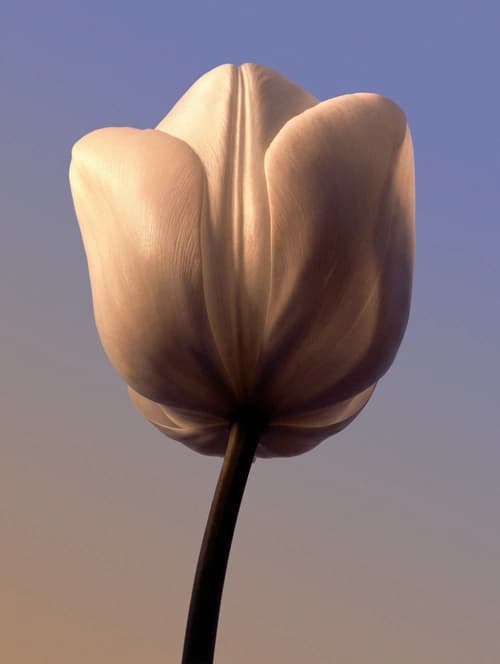
Tulips
Tulipa
Read more →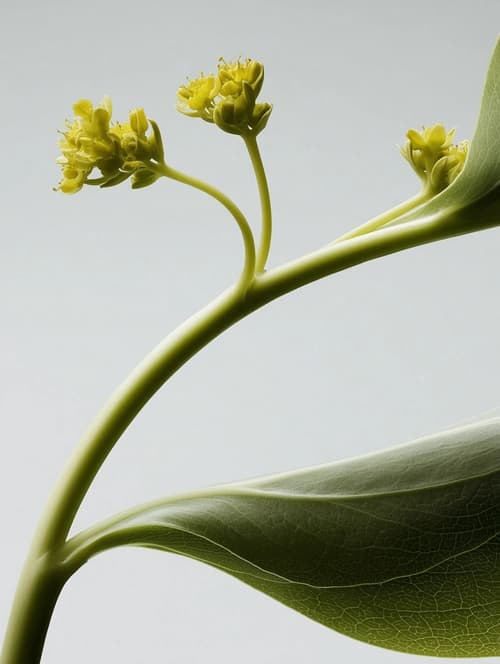
Columbine
Aquilegia vulgaris
Read more →
Allium (Ornamental Onion)
Allium
Read more →
Artichoke
Cynara
Read more →
Asters
Aster
Read more →
Bluebeard
Caryopteris × clandonensis
Read more →
Sweet William
Dianthus barbatus
Read more →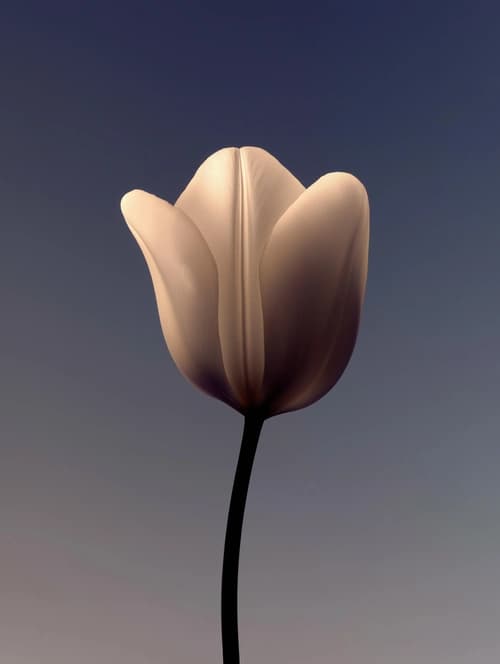
Fleabane
Erigeron
Read more →
Blue Lace Flower
Trachymene
Read more →
Swan River Daisy
Brachyscome
Read more →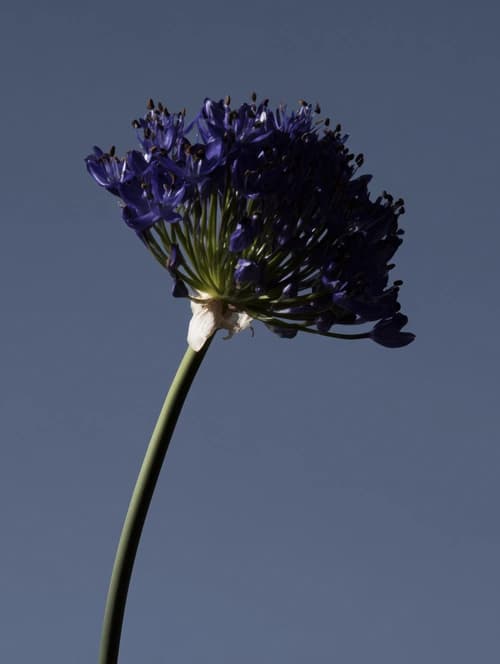
Cluster Lily
Brodiaea
Read more →
Cattleya Orchid
Cattleya
Read more →
Clematis
Clematis
Read more →
Smoke Bush
Cotinus coggygria
Read more →
Coneflower
Echinacea purpurea
Read more →
Angelica
Angelica
Read more →
Sea Holly
Eryngium planum
Read more →
Plume Thistle
Cirsium
Read more →Frequently asked
- What do purple flowers mean in the language of flowers?
- Purple stands for dignity, appreciation and individuality — historically it was the colour of kings. Giving purple flowers expresses admiration and respect without raising romantic expectations. That makes them ideal for anniversaries and special thank-yous.
- Which purple flowers are the most fragrant?
- Lilac and lavender lead the way — both fill a room effortlessly. Lilac smells sweet and nostalgic, lavender herbal and calming. Lisianthus and allium, by contrast, are practically scent-free, in case someone is sensitive.
- Which purple flowers last longest in the vase?
- Lisianthus is the longevity champion at a good ten to fourteen days, and allium also holds out surprisingly long. Lilac, at around five days, is more of a short, intense pleasure — a clean cut and a cool spot get the most out of it.
- Can I dry purple flowers?
- Yes, violet is one of the most rewarding colours for drying because it barely fades. Lavender and statice are the classics, and allium spheres dry into beautiful sculptures too. Hang them upside down in a dark, airy place — after two to three weeks they are done.