Flowers by colour
Green flowers & foliage
Green lives twice in floristry: as a true bloom colour from santini to green hydrangea, and as cut foliage that gives every bouquet its hold and shape. Here you will find every green entry from our encyclopedia — fresh from the Veiling Rhein-Maas, tied in Düsseldorf.
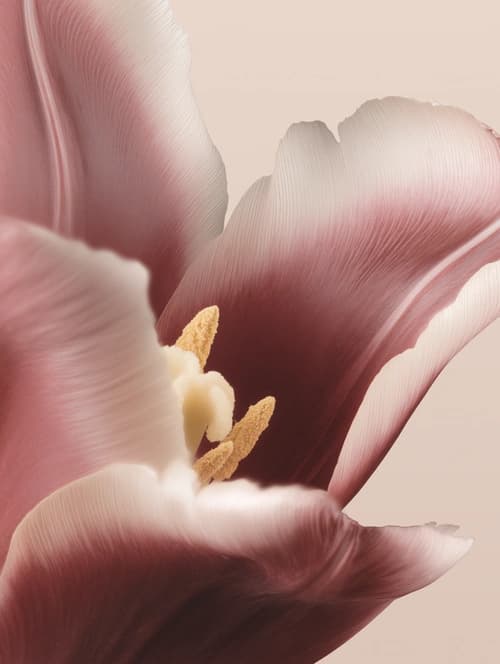
Green really does bloom — and in surprising variety. Santini chrysanthemums like ‘Kermit’ glow lime green, viburnum opens its apple-green snowballs before they turn white, green hydrangeas bring lush volume, and the anthurium ‘Midori’ makes a modern statement with its lacquer-green spathe. Add bells of Ireland and the mossy globes of the carnation ‘Green Trick’ — blooms that radiate freshness without needing a second colour.
The other half of the green world is cut foliage: eucalyptus — above all the silver-green Eucalyptus cinerea —, finely feathered ferns, pistachio, bear grass and asparagus fern. What used to be a filler is often the star today: a branch of eucalyptus defines the line of a bouquet at least as much as any rose in it.
At the workbench, greenery is the framework of every bouquet — quite literally. We place the foliage first: it keeps the stems spaced in the spiral, gives each bloom air and supports heavy heads like hydrangeas or dahlias. As a rule of thumb we allow about one third greenery — a bouquet without a framework collapses, visually and literally.
A practical note from the workshop: cut foliage usually outlasts the blooms by far. Eucalyptus, fern and friends can simply be recombined or dried once the flowers fade. Just make sure to strip every leaf below the waterline — foliage in the water turns it bad. We buy our greenery fresh at the Veiling every day, by variety and by the bunch.
Flowers in this colour
55 entries in our encyclopedia

Hydrangeas
Hydrangea
Read more →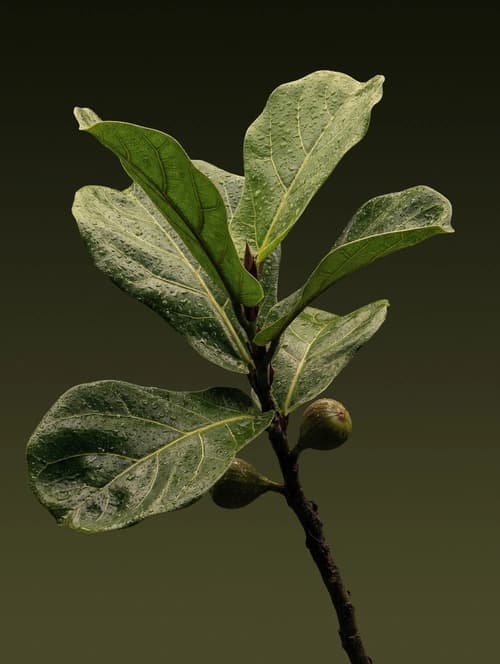
Allium (Ornamental Onion)
Allium
Read more →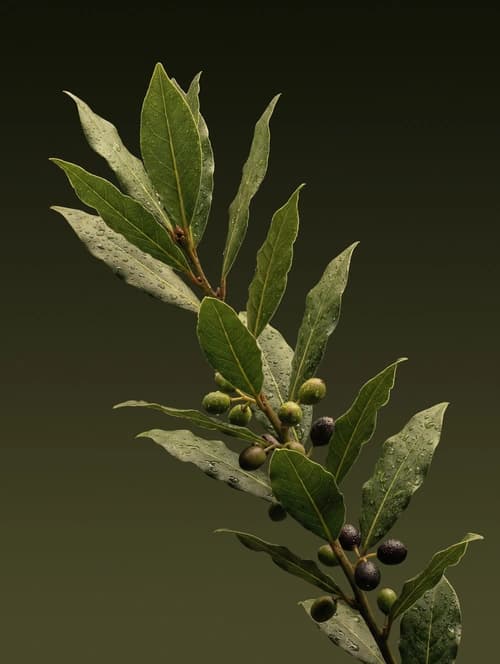
Anthuriums
Anthurium
Read more →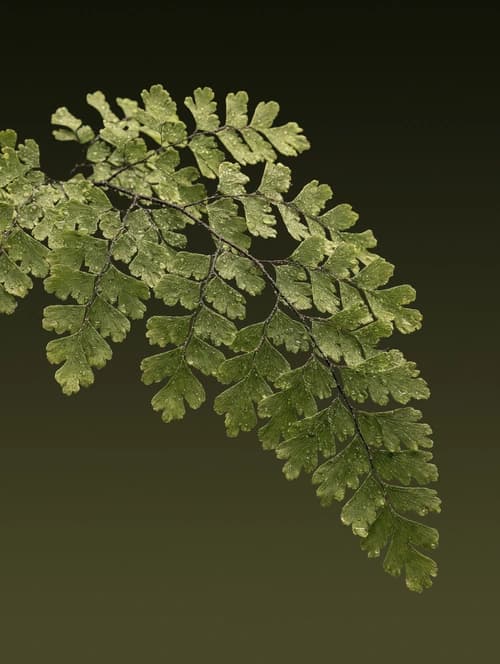
Artichoke
Cynara
Read more →
Asparagus Fern
Asparagus setaceus
Read more →
Aspidistra (Cast-Iron Plant)
Aspidistra elatior
Read more →
Masterwort
Astrantia major
Read more →
Banksia
Banksia
Read more →
Bear Grass
Xerophyllum tenax
Read more →
Safflower
Carthamus tinctorius
Read more →
Celosia (Cockscomb)
Celosia argentea
Read more →
Chrysanthemums
Chrysanthemum
Read more →
Smoke Bush
Cotinus coggygria
Read more →Coneflower
Echinacea purpurea
Read more →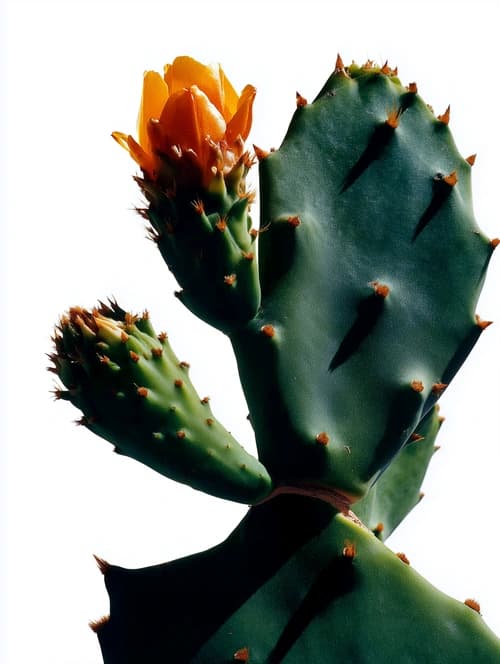
Ivy
Hedera helix
Read more →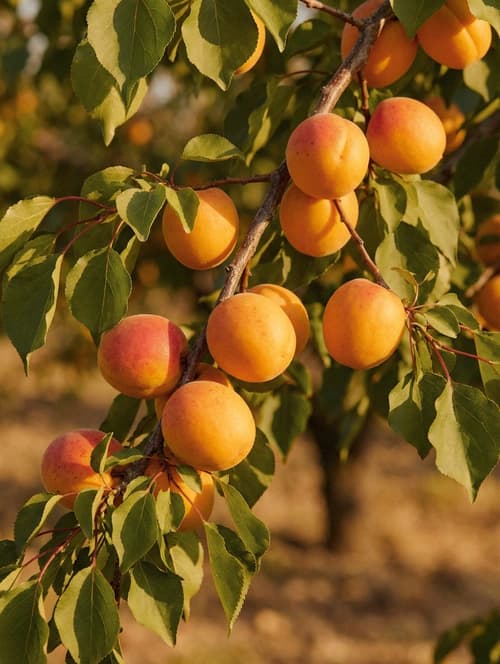
Angelica
Angelica
Read more →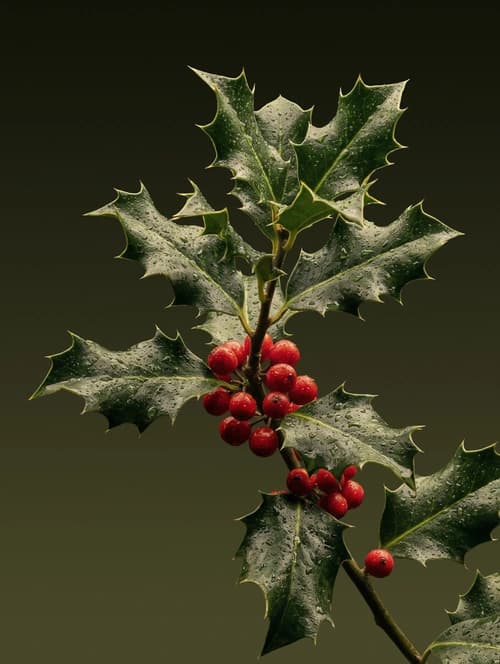
Sea Holly
Eryngium planum
Read more →Eucalyptus
Eucalyptus
Read more →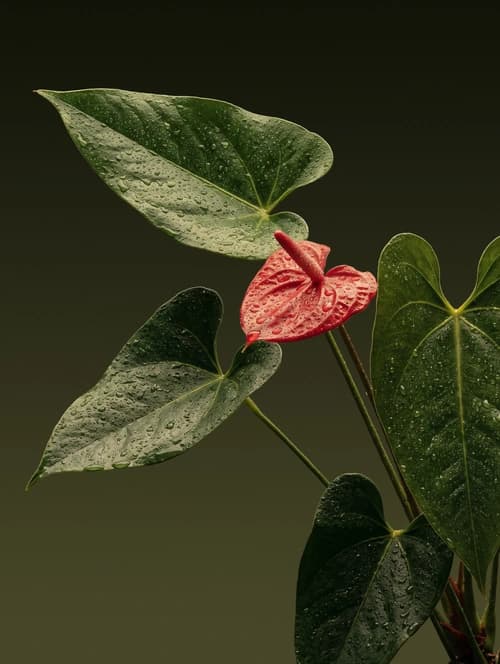
Fern (Cut Foliage)
Nephrolepis
Read more →
Love-Lies-Bleeding
Amaranthus
Read more →
Orache
Atriplex
Read more →
False Queen Annes Lace
Ammi
Read more →Hakea
Hakea
Read more →
Hares Ear
Bupleurum
Read more →Frequently asked
- Which flowers actually bloom green?
- More than you might think: santini and chrysanthemums like ‘Kermit’, the carnation ‘Green Trick’, green anthuriums like ‘Midori’, viburnum in its apple-green stage, bells of Ireland and hydrangeas that shift to green in late summer. That is enough to tie a completely green bouquet — no tricks needed.
- Which cut foliage lasts the longest?
- Eucalyptus, leatherleaf fern, aspidistra and pistachio often last two to three weeks in the vase — longer than almost any bloom. Eucalyptus even dries beautifully in shape, so you can reuse it in dried arrangements afterwards.
- How much greenery belongs in a bouquet?
- Our rule of thumb: about one third. The greenery is the framework — it keeps the stems spaced, gives each bloom air and makes the bouquet feel natural. Too little squeezes the flowers together, too much drowns them out.
- Can a bouquet be made of greenery alone?
- Absolutely — pure foliage bouquets are a modern classic. The appeal lies in the textures: silvery eucalyptus next to glossy aspidistra, fine fern next to coarse pistachio. These bouquets last for weeks and suit any interior, especially as a housewarming gift.